

Donated Embryo Transfer

Treatment
Donated Embryo Transfer
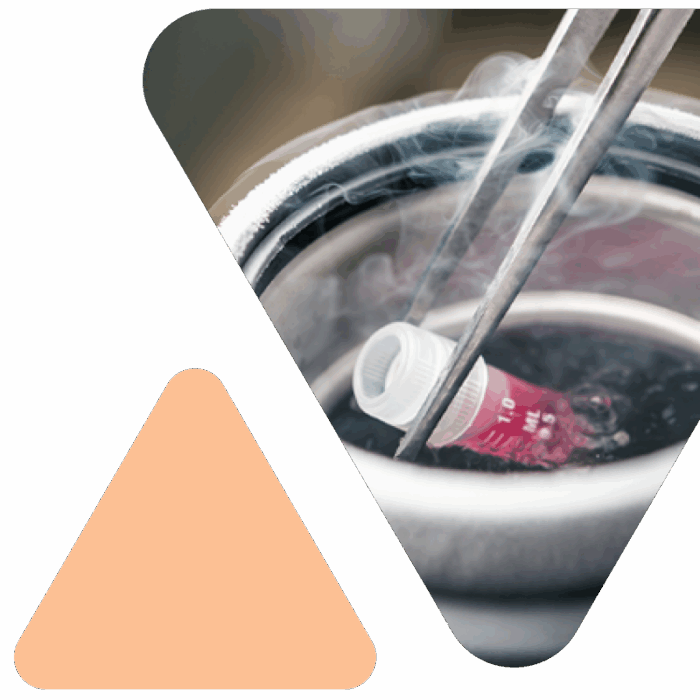
If you have already undergone one or more unsuccessful fertility treatments using your own gametes (eggs and sperm), a treatment with donated embryos may be an alternative. These embryos are the result of donation from couples who have undergone medically assisted reproduction (MAR) treatments but do not need the surplus cryopreserved embryos and have donated them for use by other infertile couples.
Treatment using donated embryos is in everything similar to a frozen embryo transfer (FET) cycle. The greatest limitation of this process though is the shortage of donated embryos.

Donated Embryo Transfer
Your Treatment Step By Step

1 – Tests and exams
If you decide to go through with a frozen embryo transfer (FET), your physician will ask you to take some tests and exams which are needed to assess your clinical status. The exams may include a gynaecological ultrasound, hormone tests or infectious disease screening.
If everything is all right, your FET treatment is ready to begin and we will be able to start it at any time suitable to you. If you undergo an FET cycle, there will be a four-to-five-week period between the start of treatment and your pregnancy test.
2 – Hormonal preparation of the uterus
Preparation for a FET cycle is very simple. All you have to do is take hormone medication (oestrogens), usually starting at the beginning of your menstrual cycle. A few days before your embryo transfer your physician will also prescribe you progesterone. This is also a hormone that will prepare your uterus to receive the embryos after they are have been thawed.

3 – Embryo thawing
Our embryologists will thaw your embryos a few days before the transfer. The procedure can take place on the same day as the transfer if your embryos were cryopreserved in the blastocyst stage.
At this time, our embryologists will decide how many embryos they will have to thaw to enhance your chances of getting pregnant. Sometimes, it is necessary to thaw more embryos than those that will be transferred so that they can choose the best ones.

4 – Embryo culture
The culture period can last from one to three days. During this period, the embryos will be safe in our lab. Our embryologists will ensure that they are in ideal condition for development. They will assess each embryo carefully every day to ensure that the best embryo(s) are selected on the day of your transfer.
While your embryos are being cultured in the lab you will be taking medication to help prepare your uterus to receive the embryos. It is very important for you to keep taking this medication until your physician or one of our nurses tells you otherwise.
5 – Embryo transfer
On the day of your embryo transfer, our embryologists will inform you how many good-quality developing embryos you have. If there are more good-quality embryos developing than the ones you want to transfer, our embryologists may cryopreserve them again for future use.
The transfer procedure is performed in an operating theatre. No anaesthesia is necessary in this case, as it is practically pain-free, much like a gynaecological examination. The embryos are transferred to your uterus via the cervix by means of a very thin catheter. With the aid of an ultrasound probe, your embryos are deposited directly in the place where they should implant and result in a pregnancy.

6 - Pregnancy Test
Today’s the day! After what we know is a difficult wait, it’s time to do the long-awaited pregnancy test. The test is normally conducted about two weeks after you start taking progesterone. You will have to take a blood test to confirm your pregnancy. You can take the test in the comfort of the AVA Clinic though, if this is not convenient, you can do it at any lab testing facility.
The AVA Clinic team wishes you the best of luck with your treatment. And don’t forget that you can contact us at any time if you have any questions.
Patient Stories
Get in touch
Submit this form and one of the team will be in touch to discuss Donated Embryo Transfer